Welcome to the NeuroDirect blog, your go-to resource for the latest insights, advice, and information about neurodivergent support. Whether you’re looking for tips on managing ADHD, understanding autism assessments, or navigating neurodiversity in everyday life, our blog offers expert content tailored to your needs.
We cover a wide range of topics, from the challenges faced by neurodivergent individuals to actionable advice for families and professionals. New articles are added regularly. Find a specialist today.

Autism vs ADHD: Key Differences in Adults Estimated reading time: 7 min Introduction Adult presentations of neurodevelopmental conditions can be subtle, overlapping and—at times—confusing. Many people
The BBC reported today that NHS bosses are warning autism and ADHD care is at risk of collapsing into chaos. Costs are spiralling, unregulated private providers
Perhaps you recognized yourself in an ADHD video on TikTok, “Masking? Social exhaustion? Executive dysfunction? Sounds just like me!” Then another question naturally follows, “Can I

The modern healthcare system relies heavily on a text-and-talk model. Patients are often handed dense, multi-page papers or given rapid verbal instructions during a brief consultation.

When parents separate, everyday family routines often need to be rebuilt. For neurodivergent children, this can bring an added layer of adjustment. A child who relies
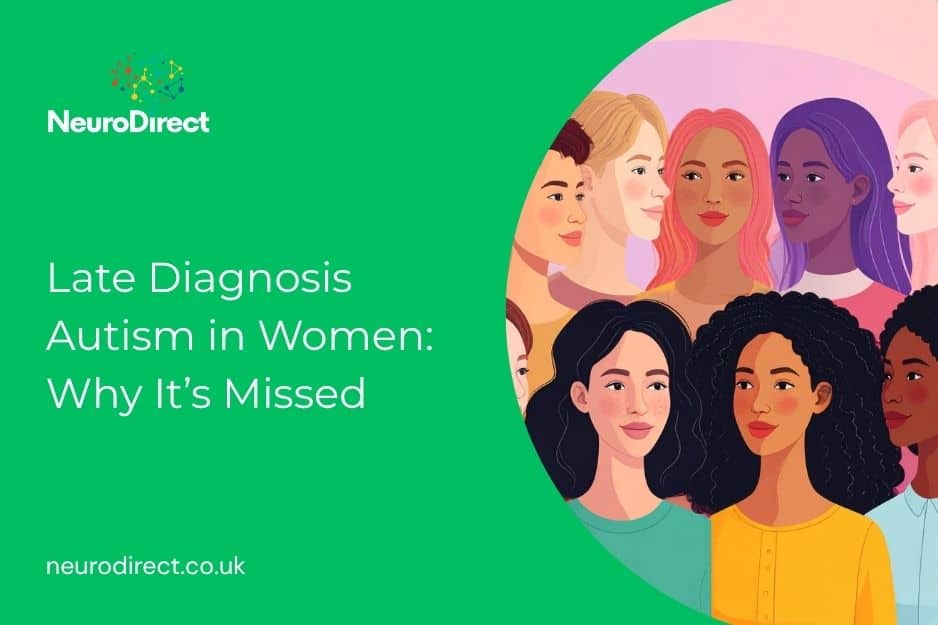
Late Diagnosis Autism in Women: Why It’s Missed Estimated reading time: 8 minutes Autism is often missed in women because many autistic traits present differently than
RAADS-R vs Autism Quotient: Which Test Is Better? Estimated reading time: 6 minutes The AQ is a shorter autism screening tool designed for quick trait screening,
Sensory Overload in Adults: Autism and Beyond Estimated reading time: 6 min read Sensory overload happens when the brain receives more sensory input than it can
Can You Be Autistic Without Social Anxiety? Estimated reading time: 6 minutes Autism and social anxiety are different conditions. While they can overlap, many autistic people
Executive Dysfunction in Autism and ADHD Estimated reading time: 7 minutes Executive dysfunction affects planning, organisation, time management, and task initiation. It is commonly associated with

A neurodivergent love language is a way of understanding how people express and receive affection. Love takes countless forms, of course, and while it rarely fits
Autistic burnout in adults is a distressing and often misunderstood experience: deep exhaustion, reduced ability to cope with everyday demands, and a loss of skills or